en-US
en-US 

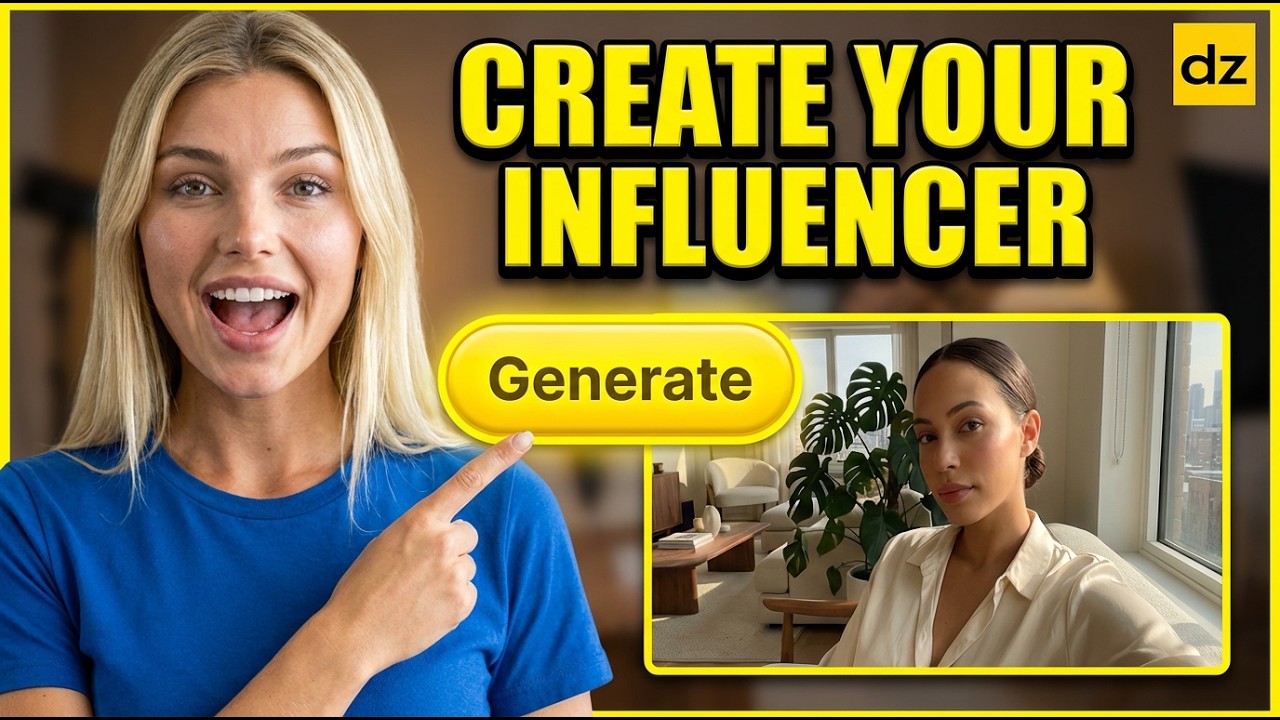
Virtual influencers are no longer a futuristic concept; they are a multi-million dollar reality. From fashion icons like Lil Miquela to brand ambassadors for global tech firms, digital personalities are commanding massive engagement without ever needing to step foot in a physical studio.
For entrepreneurs and creators, the barrier to entry was once high-end 3D modeling skills. However, with the emergence of advanced AI platforms like Dzine.ai, anyone can now design and launch a digital avatar from scratch. This guide walks you through the professional workflow of building your first AI influencer.
Building Your Virtual Influencer Business
Step 1: Establishing the Base Aesthetic
The foundation of any successful influencer is a consistent, high-quality visual identity. Start by utilizing specialized AI portrait generators to create your base character. You should focus on high-fidelity features that look realistic rather than "uncanny."
When selecting your initial portrait, consider the niche your influencer will occupy. A fitness influencer requires a specific lighting and physique style, while a high-fashion model might need a more editorial, avant-garde look.
- Realistic Skin Textures: Look for tools that emphasize natural imperfections to increase believability.
- Lighting Consistency: Choose a baseline lighting setup (like soft-box studio lighting) that you can replicate in future posts.
- Framing: Start with a high-resolution headshot before expanding to full-body shots.
Step 2: Refining Facial Features and Identity
To make your AI influencer recognizable across different platforms and posts, facial consistency is key. You must refine specific features such as the jawline, eye color, and nose shape within the Dzine.ai interface.
Consistency is what builds trust with an audience. If your character’s face changes slightly in every post, you will lose the "human" connection that makes social media successful. Use seed parameters or character reference tools to lock in these features.
Step 3: Defining Age, Ethnicity, and Style
Your influencer needs a demographic profile that resonates with your target audience. This isn't just about aesthetics; it's about market positioning.
- Identify your target market (e.g., Gen Z streetwear enthusiasts).
- Match the AI's age and style to that specific demographic.
- Select a wardrobe style that reflects the influencer's "lifestyle."
By defining these traits early, you ensure that every piece of content created feels like it belongs to a cohesive brand story rather than a series of random generated images.
Step 4: Developing Personality and Tone
An influencer is more than just a pretty face; they are a voice. You must define personality traits that will dictate how they interact with followers and write captions.
Is your influencer sarcastic and witty? Or are they inspirational and empathetic? Write down a list of "Dos and Don'ts" for their communication style. This will help you when using LLMs to generate their captions or reply to comments.
- Brand Voice: Establish 3-5 keywords that describe their communication style.
- Core Interests: Define what the influencer "cares" about, which will drive content topics.
- Backstory: Create a brief history of where they came from to add depth to their profile.
Step 5: Narrative Bio and Strategic Launch
Your bio is the first thing potential followers see. It should clearly state what the influencer does and why people should follow them. Within Dzine.ai, you can finalize the visual assets needed for a professional profile launch.
Ensure your export settings are optimized for high-resolution social media formats. For platforms like Instagram and TikTok, use vertical aspect ratios to maximize screen real estate and engagement levels.
Conclusion
Creating a virtual AI influencer is a strategic blend of art and data. By utilizing Dzine.ai to maintain visual consistency and layering on a distinct personality, you can build a digital brand that rivals human creators. Start small, maintain character consistency, and focus on delivering value to your niche audience.