en-US
en-US 

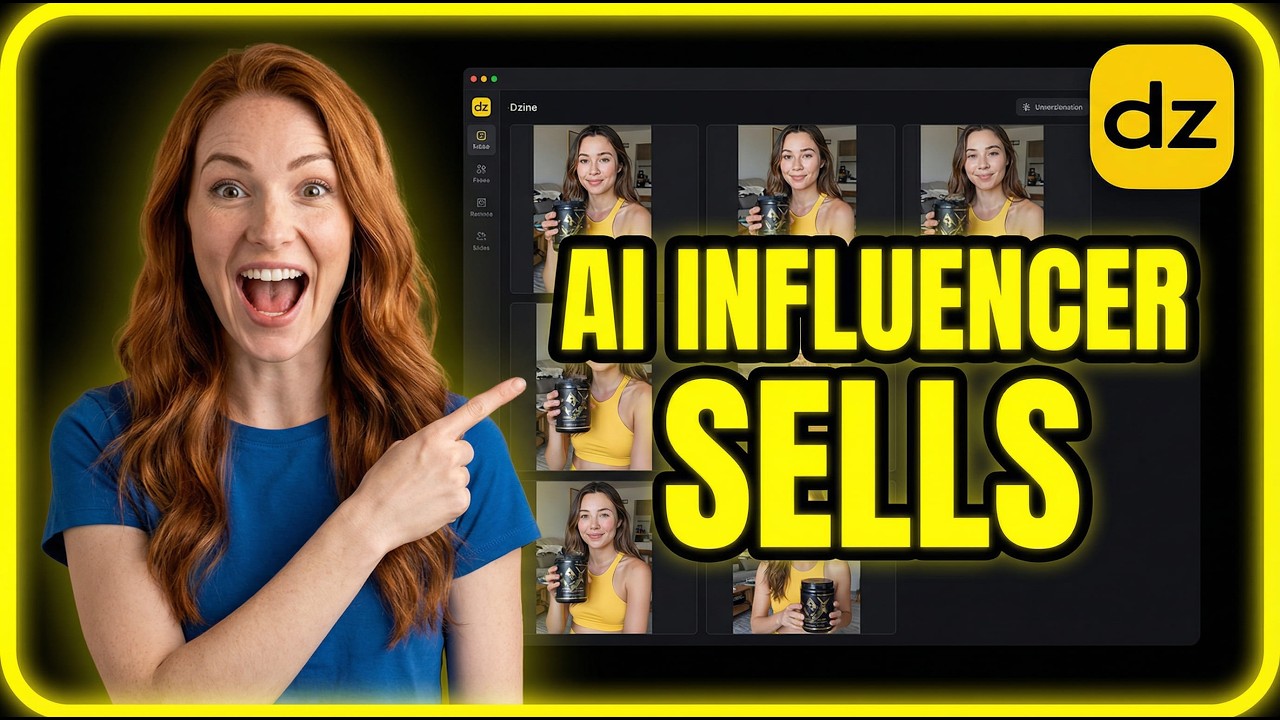
User-generated content (UGC) is the backbone of modern social media marketing, but hiring influencers and managing photoshoots can be both expensive and time-consuming. What if you could create a perfectly consistent brand ambassador and place your product in their hands without ever picking up a camera?
In this guide, we’ll explore a revolutionary AI workflow that allows you to generate realistic AI influencers and high-converting UGC ads from scratch. By leveraging cutting-edge tools, you can scale your creative testing and reduce production costs significantly.
Creating a High-Converting AI Persona
Step 1: Generating a Consistent AI Persona
The first step in creating a believable UGC ad is establishing a consistent AI persona. You want a character that looks like a real person, not a generic, polished AI model. This authenticity is what builds trust with your audience.
- Persona Design: Use descriptive prompts to define age, ethnicity, and style to ensure the AI matches your brand's target demographic.
- Character Consistency: Tools like Dzine.ai allow you to lock in a face so that the same person appears across different scenes and angles.
- Natural Settings: Avoid professional studio backgrounds; instead, opt for "home-style" environments like a bedroom or kitchen to mimic authentic social media content.
Step 2: Digital Product Placement
One of the biggest hurdles in AI marketing is getting the AI to interact realistically with a physical product. Using "Instant Storyboard" features or image-to-image Generation, you can digitally insert your actual product into the AI's hands.
This process involves uploading a high-quality photo of your product and using AI brushes to mask the area where the product should sit. The AI then blends the product into the scene, adjusting lighting and shadows to make it look like the influencer is actually holding it.
Step 3: Animating with Realistic Lip-Sync
Static images are great for posters, but video is king for UGC ads. To bring your persona to life, you need to sync their speech with a voiceover. You can record your own voice or use high-quality AI voice synthesis.
- Scripting: Focus on a "hook" in the first 3 seconds to grab attention quickly.
- Motion Mapping: Use specialized AI video tools to map the mouth movements and subtle facial expressions to your audio file.
- Engagement: Incorporate natural pauses and "ums" in the audio to make the performance feel human and unscripted.
Step 4: Generating Dynamic B-Roll and Polish
A good ad isn't just a talking head. To keep viewers engaged, you need B-roll—extra footage that shows the product in use or close-up detail shots. You can generate these snippets using text-to-video prompts that match your original AI persona’s environment.
Once you have your main talking head and B-roll, use a video editor to layer in captions, emojis, and background music. These "social-native" elements are essential for making the AI content indistinguishable from organic TikTok or Instagram Reels content.
Why Use AI for UGC Ads?
Traditional production often takes weeks. With this workflow, you can go from concept to a finished ad in under an hour. This speed allows for rapid A/B testing of different hooks, personas, and scripts.
- Cost Efficiency: Eliminate the need for shipping products to influencers and paying high creator fees.
- Total Control: You have 100% control over every word spoken and every visual frame.
- Scalability: Create dozens of variations for different markets or demographics with just a few clicks.
Conclusion
The barrier to entry for high-quality video marketing has never been lower. By combining AI persona generation, digital product placement, and advanced lip-syncing, brands can now produce realistic UGC ads at scale. Start experimenting with these tools today to stay ahead in the ever-evolving world of e-commerce advertising.