en-US
en-US 

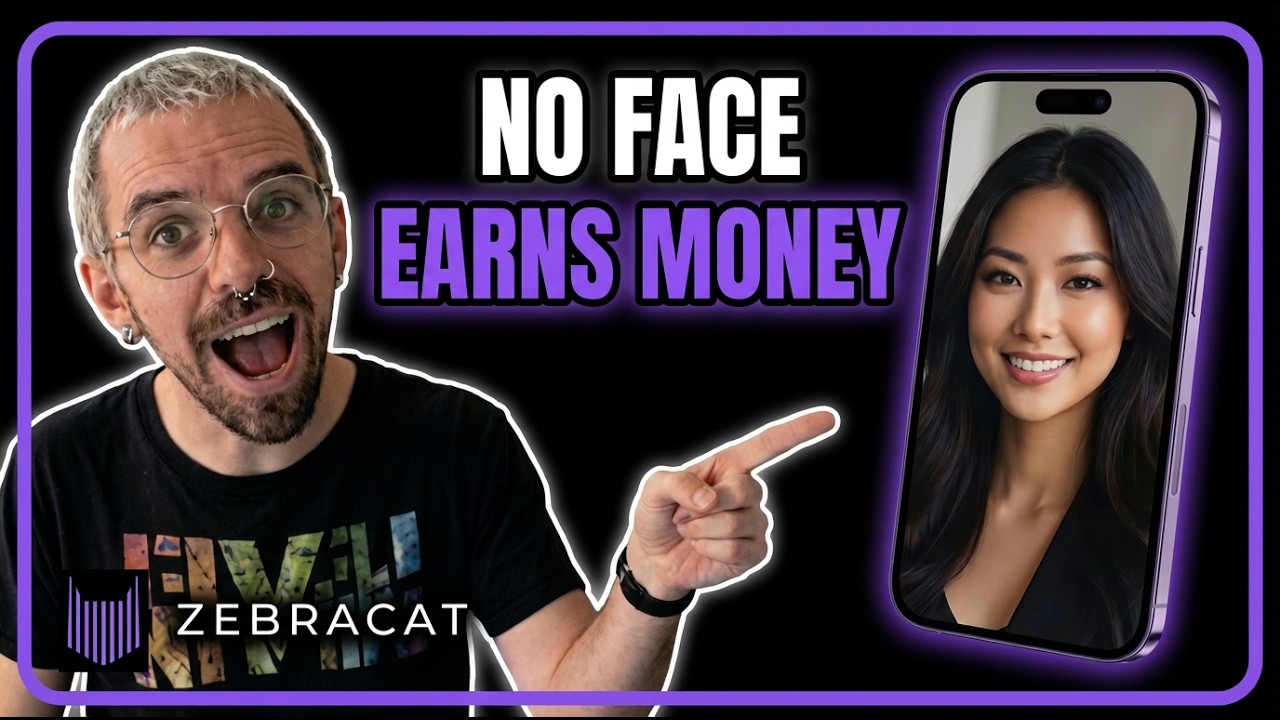
The rise of digital marketing has led to a fascinating new trend: the AI influencer. These virtual personalities are consistently on-brand, never tire, and can be scaled across multiple platforms with ease. If you've ever wondered how to build a digital face for your brand without hiring a professional production crew, Zebracat is the solution you've been looking for.
Zebracat is an advanced AI video generation platform designed specifically for marketers and creators. It allows you to transform a simple prompt into a high-quality video featuring a custom AI avatar. In this guide, we will walk through the step-by-step process of creating your own virtual influencer and generating viral-ready content.
Building Your AI Influencer Workspace
Step 1: Defining Visual Identity
The first step in Zebracat is defining exactly what your influencer looks like. You aren't limited to a set of pre-made templates; instead, you can describe the gender, age, ethnicity, and unique facial features of your digital persona.
- Detailed Prompts: Use specific adjectives like "professional," "friendly," or "athleisure-style" to guide the AI.
- Consistency: By defining these traits clearly, you ensure your influencer remains recognizable across different video campaigns.
- Diversity: You can create influencers that represent any demographic to better connect with your specific target audience.
Step 2: Product and Branding Integration
An influencer's job is to showcase brands, and Zebracat makes this seamless. You can upload specific products or describe items you want the influencer to interact with in the video.
Beyond the product, you can customize the background and environmental lighting to match your brand's aesthetic. Whether it's a minimalist home office or a vibrant outdoor setting, the AI adapts the scene to fit your vision perfectly.
Step 3: Customizing Accessories and Style
Small details often make the biggest difference in creating a "human" feel. Zebracat allows you to refine the style further by choosing specific clothing, accessories, and even the "vibe" of the video.
- Wardrobe Selection: Choose outfits that match the niche (e.g., suits for finance, gym wear for fitness).
- Accessory Logic: Add items like glasses, watches, or headphones to add personality to the avatar.
- Visual Tone: Adjust the color grading and cinematic style to ensure the video looks high-end.
From Avatar to Viral Video
Generating Your First Script
Once your influencer is designed, it's time to give them something to say. Zebracat includes built-in script generation tools that help you craft compelling narratives for ads, tutorials, or social media updates.
You can choose from a library of professional AI voices that match the personality of your avatar. From energetic and youthful to calm and authoritative, the voice-over quality is indistinguishable from real human speech.
The Final Editing Process
After the AI generates the initial video, you have full control over the final cut. Zebracat’s editor allows you to swap out clips, adjust timing, and add text overlays or background music.
- B-Roll Integration: The platform can automatically suggest stock footage to keep the viewer engaged.
- Dynamic Captions: Easily add and style captions to ensure your video is accessible on social platforms where people watch without sound.
- Multiple Formats: Export your video in various ratios, such as 9:16 for TikTok/Reels or 16:9 for YouTube.
Conclusion
Creating an AI influencer is no longer a task reserved for high-budget tech firms. Platforms like Zebracat democratize the process, allowing anyone to build a custom digital brand ambassador from a single prompt. By following these steps—defining visual traits, integrating branding, and fine-tuning the script—you can produce consistent, high-impact content in a fraction of the time it takes for traditional video production.